
Urban trees are essential components of healthy, vibrant cities. In Greater Jackson, Mississippi, they not only beautify neighborhoods and public spaces but also help purify air, control temperature, manage stormwater, and foster community well-being. To maximize these benefits, property owners and city planners need to adopt sustainable tree-care practices tailored to urban environments. Reliable support from a trusted tree service in Greater Jackson MS is vital. Heritage Tree Services, a highly respected name in the area, provides a full spectrum of professional tree care solutions, including strategic planting, safe removal, and ongoing maintenance. Known for its expertise in both residential and commercial projects, this company has developed a reputation for attentive, eco-friendly practices throughout Jackson and nearby Mississippi communities. With comprehensive knowledge and a commitment to sustainability, they are a go-to resource for those who want to nurture healthy urban trees.
Understanding the Urban Tree Canopy
The urban tree canopy is the layer formed by trees’ leaves, branches, and stems when viewed from above. In Greater Jackson, a robust canopy cools streets and sidewalks, lowers energy consumption through natural shade, and filters air pollutants. The presence of healthy canopies is linked to improved public health, higher property values, and enhanced biodiversity. Statewide initiatives, such as those led by the Mississippi Urban Forest Council, aim to expand and support the urban tree canopy, highlighting the multifaceted value of urban trees for both people and the environment.
Best Practices for Tree Planting and Maintenance
- Proper Species Selection: Choosing native or climate-adapted species is fundamental. These trees are more resilient to local weather extremes, pests, and diseases. In Jackson’s environment, native oaks, elms, and magnolias are long-lived and better support local wildlife.
- Correct Planting Techniques: Careful attention to planting depth is crucial. Trees should be planted with their root flare just above soil level, and the planting site should offer enough space for future root expansion.
- Regular Pruning: Pruning removes weak, dead, or crossing branches, ensuring the tree’s structure is sound and minimizing hazards, especially vital along sidewalks, roadways, and power lines.
- Mulching: A layer of organic mulch helps conserve soil moisture, buffers temperature extremes, and discourages pests. Proper mulching also reduces the risk of mower and trimmer injuries to the trunk.
- Watering: Consistent watering is most important during the first few years after planting. Supplemental watering during drought helps newly planted trees establish deep, healthy roots.
These methods collectively support tree health, enabling trees to mature into robust community assets.
Community Involvement and Education
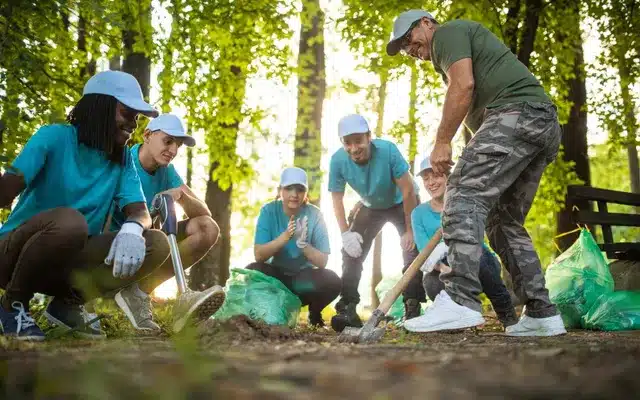
Active community participation significantly amplifies the effectiveness of urban tree care initiatives. Education fosters a sense of stewardship, motivating residents, schools, and local organizations to engage in planting days, watering efforts, and advocacy for tree protection ordinances. Programs facilitated by groups like the Mississippi Forestry Commission create opportunities for hands-on learning, technical support, and grassroots leadership in preservation strategies. Community workshops and city-sponsored events offer practical demonstrations and teach essential care skills, cultivating an ongoing culture of sustainability in Greater Jackson.
Addressing Challenges in Urban Tree Care
Urban trees face unique challenges, including inadequate planting space, compacted soils, air and water pollution, and construction-related damage. Innovative strategies are crucial to overcoming these obstacles. Solutions include:
- Implementing green infrastructure, such as permeable pavement and bioswales, to enhance water absorption and reduce runoff.
- Designing traffic medians, parking lots, and sidewalks to accommodate root growth beneath hard surfaces.
- Using improved soil mixtures and regular aeration to combat soil compaction and promote root vitality.
- Engaging expert arborists for pest management and disease prevention, reducing the need for chemical interventions.
Smart investments in these green solutions safeguard the longevity and resilience of trees amid rapid urban expansion.
Role of Professional Tree Services
While community programs and individual effort are crucial, certain aspects of tree care, such as health assessments, large-scale pruning, or safe removal of hazardous trees, require professional expertise. Certified arborists bring a wealth of specialized knowledge to prevent common urban tree issues and extend tree lifespans. Trusted companies in Greater Jackson deliver reliable solutions across residential, municipal, and commercial properties, ensuring compliance with safety standards and local regulations while contributing to healthier urban forests.
Future Outlook for Jackson’s Urban Forest
With the combined push of public education, innovative design, and expert support, Jackson’s urban forest is set to thrive. Ongoing investment in canopy expansion and preservation will increase ecosystem services, community resilience, and economic value for future generations. Resident involvement and thoughtful stewardship today guarantee that Jackson remains a green, welcoming city in years to come.
Conclusion
Sustainable tree care is essential for fostering healthy, resilient urban landscapes in Greater Jackson. By combining proper planting techniques, regular maintenance, community involvement, and professional arborist support, residents and city planners can ensure trees thrive despite urban challenges. Healthy trees not only enhance environmental quality and property values but also strengthen community well-being. With ongoing education, strategic investment, and collective stewardship, Jackson’s urban forest can continue to provide ecological, social, and economic benefits for generations to come.
FAQs
- Why are urban trees important? Urban trees provide essential services such as air purification, shade, cooling, stormwater control, and improvements to public health and property values.
- How can residents contribute to urban tree care? They can plant suitable species, join community volunteering days, water local street trees, and participate in city planning meetings.
- What challenges do urban trees face? Major challenges include limited space, poor soil quality, exposure to pollution, and physical damage from urban development or severe weather.
- How does professional tree care benefit urban forests? Professional services provide expert pruning, disease treatment, risk reduction, and tailored planting and preservation advice for local conditions.
- What is the future of Jackson’s urban forest? With consistent care and increased public engagement, Jackson’s trees will continue to grow, supporting a healthier, more sustainable city for all.