
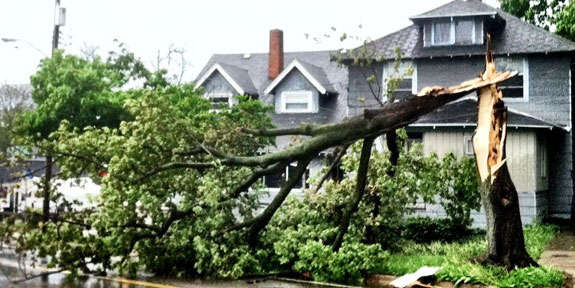
Living in Bellingham, WA, exposes residents to diverse and sometimes severe weather conditions, including windstorms, heavy rainfall, and even occasional snow or ice events. These storms can pose serious threats not only to your personal safety but also to your property, particularly if you have mature trees near your home or structures. As a tree owner, being proactive and taking the right precautions is essential for minimizing storm-related risks and ensuring your landscape remains both safe and attractive. The potential consequences of ignoring tree care can include costly property damage, personal injury, and even disruption of local utilities in the event of downed trees or branches. Thankfully, in urgent situations where a hazardous tree must be addressed immediately, services like emergency tree removal in Bellingham WA are available to help. Earthworks Tree Service, a local company based in both Bellingham and Mount Vernon, WA, offers expert tree care and emergency response. Their team of experienced arborists specializes in addressing storm-related tree problems, helping you keep your property protected in challenging weather conditions.
Regular Tree Maintenance
Consistent care is essential for tree health and stability, and it lays the groundwork for preventing future storm damage. Healthy trees are far more likely to withstand powerful winds and heavy precipitation than those that are overgrown, weakened by disease, or structurally compromised. By developing a seasonal approach to tree maintenance, you not only safeguard your property but also extend the life and beauty of your trees. Implementing the following practices can help you proactively prepare for the unpredictable Pacific Northwest weather:
- Pruning: Regularly removing dead, weak, or diseased branches is crucial. This reduces the likelihood of breakage during high winds, which can otherwise turn loose branches into dangerous projectiles. Proper pruning also helps maintain the tree’s structural integrity, reducing the risk of asymmetric growth that could make it more susceptible to storm damage. Always use clean, sharp tools and prune at the appropriate times of year for your specific tree species to maximize benefits.
- Wind Sailing: Thinning the tree’s canopy is a specialized pruning method that allows wind to pass more freely through the branches, thereby minimizing wind resistance. By selectively removing smaller branches throughout the canopy, you help reduce the “sail effect” that can lead to uprooting or snapping. This technique should be performed with care or by an arborist to avoid removing too much of the canopy at once, which can damage or stress the tree.
- Mulching: Applying mulch around the base of your trees brings multiple benefits. Not only does mulch help retain soil moisture and reduce weed competition, but it also insulates roots and protects against soil erosion during heavy storms. Be sure to apply a 2–4 inch layer of organic mulch, keeping it a few inches away from the trunk to prevent rot.
Understanding Local Tree Protection Ordinances
Bellingham is known for its commitment to environmental stewardship, including the protection of significant trees. The city has specific regulations, such as the landmark tree ordinance, that protect healthy trees with a trunk diameter of 36 inches or more from unnecessary removal. These ordinances are designed to both preserve the urban canopy and protect public safety by discouraging unsafe or mismanaged removals. Before you undertake any major pruning or removal, especially if you think your tree might qualify as “landmark,” it’s crucial to become familiar with these rules. Consulting the City of Bellingham’s official guidelines can clarify what is permitted, whether you need a permit, or what steps are required for compliance. Violating these ordinances can result in fines and may negatively impact your neighborhood’s beauty and environment. For tree owners, understanding and respecting these local laws is an important part of responsible property management.
Recognizing Hazardous Trees
Early identification of tree hazards can prevent property damage, injury, and even loss of life. Assessing your trees for signs of potential failure should be a regular part of your maintenance routine, especially as storm season approaches. Some classic indicators that a tree may pose a threat include the following:
- Leaning significantly to one side, especially if the lean is new or has worsened over time. Sudden leaning can signal root failure or ground instability, which often precedes a complete fall.
- Cracks or splits in the trunk or large limbs, which can weaken the tree’s overall structure and make breakage much more likely during high winds or under the weight of heavy precipitation.
- Decay, cavities, or hollow sections in the trunk; these issues often result from disease or infestation and can undermine the tree’s core strength, increasing the risk of sudden collapse.
- Dead, dying, or hanging branches are more likely to detach unpredictably. Even relatively small dead limbs can cause significant damage if they fall on vehicles, roofs, or even power lines.
If you observe any of these warning signs, don’t delay in contacting a certified arborist for a thorough risk assessment. Arborists can determine whether the tree can be saved through specialized care or if removal is the safest option.
Emergency Preparedness
Even with the best preventive measures, severe storms can still cause unpredictable damage. Crafting an emergency plan in advance helps you, your household, and your property better protect yourselves when the unexpected occurs. Steps to boost your preparedness include:
- Emergency Contacts: Maintain an up-to-date list of phone numbers for local emergency services, trusted neighbors, and certified tree care professionals. Quick access to these contacts is invaluable during an emergency.
- Safety Gear: Stock up on protective equipment, such as gloves, hard hats, and safety glasses, in case you need to handle minor debris safely. While it’s best to leave major clean-up to the professionals, having basic gear on hand increases your safety during initial assessment.
- Evacuation Plan: Develop and review an evacuation plan with all household members. Make sure everyone knows the safest exits, the location of emergency supplies, and has a plan to meet at a predetermined safe spot if evacuation becomes necessary during a severe storm.
Post-Storm Actions
Once a storm has passed, it’s critical to thoroughly survey your property for damage, but always prioritize safety during your inspection. Some steps you should follow include:
- Stay clear of any downed power lines and report them to local authorities immediately. These are extremely dangerous and should only be handled by professionals.
- Do not attempt to move or cut large limbs, especially if they are tangled in power lines or are under tension. Waiting for a professional is always the best approach when large or precarious tree parts are involved.
- Take clear photographs of all damaged trees and property to document your losses for insurance purposes. This will help streamline claims and support the need for any professional removal or repairs.
When to Seek Professional Help
Certain hazardous situations demand the expertise, tools, and experience of trained professionals. If you encounter any of the following, don’t hesitate to seek help:
- If trees or branches are entangled with overhead power lines, contact your utility provider and a certified arborist immediately, as these situations require specialized equipment and procedures.
- Large limbs that have broken off but remain suspended in the tree. These “hangers” can fall without warning, posing a serious risk to anyone below.
- Uprooted or partially fallen trees that are leaning precariously. Their unpredictable balance makes them especially hazardous to handle without the right training and equipment.
Final Thoughts
By adopting a proactive approach to tree care, Bellingham homeowners can significantly reduce the risks posed by local storms. Regular maintenance, especially pruning, mulching, and canopy thinning, helps make your trees more resilient to high winds and heavy precipitation. Understanding relevant local regulations, such as landmark tree protections, ensures your actions support both community values and legal requirements. Perhaps most importantly, knowing how to identify hazards, prepare for emergencies, and involve professional assistance when needed allows you to protect both your property and your community, keeping Bellingham’s neighborhoods beautiful and safe even through the stormiest seasons.
Frequently Asked Questions (FAQ)
How often should trees be inspected in Bellingham, WA?
Trees should be inspected at least once a year, ideally before storm season. Additional inspections are recommended after major wind or rain events, especially for large or mature trees near structures.
Do I need a permit to remove a tree on my property in Bellingham?
In some cases, yes. Trees that qualify as landmark trees or are protected under local ordinances may require permits before pruning or removal. Always check with the City of Bellingham or consult a certified arborist before proceeding.
What should I do if a tree falls during a storm?
Prioritize safety first. Stay away from downed power lines, keep people clear of the area, and contact emergency tree removal professionals. Document the damage with photos for insurance purposes once it’s safe to do so.
Can pruning really help prevent storm damage?
Yes. Proper pruning removes weak or dead limbs, improves structural balance, and reduces wind resistance, making trees more resilient during storms.
Is it safe to remove storm-damaged trees myself?
DIY removal is strongly discouraged, especially for large or unstable trees. Storm-damaged trees are unpredictable and can cause serious injury. Professional arborists have the training and equipment to handle these situations safely.
When should I call an emergency tree service?
Call immediately if a tree or limb is threatening a structure, blocking access, leaning dangerously, or involved with power lines. A quick professional response can prevent further damage and ensure compliance with local safety regulations.