
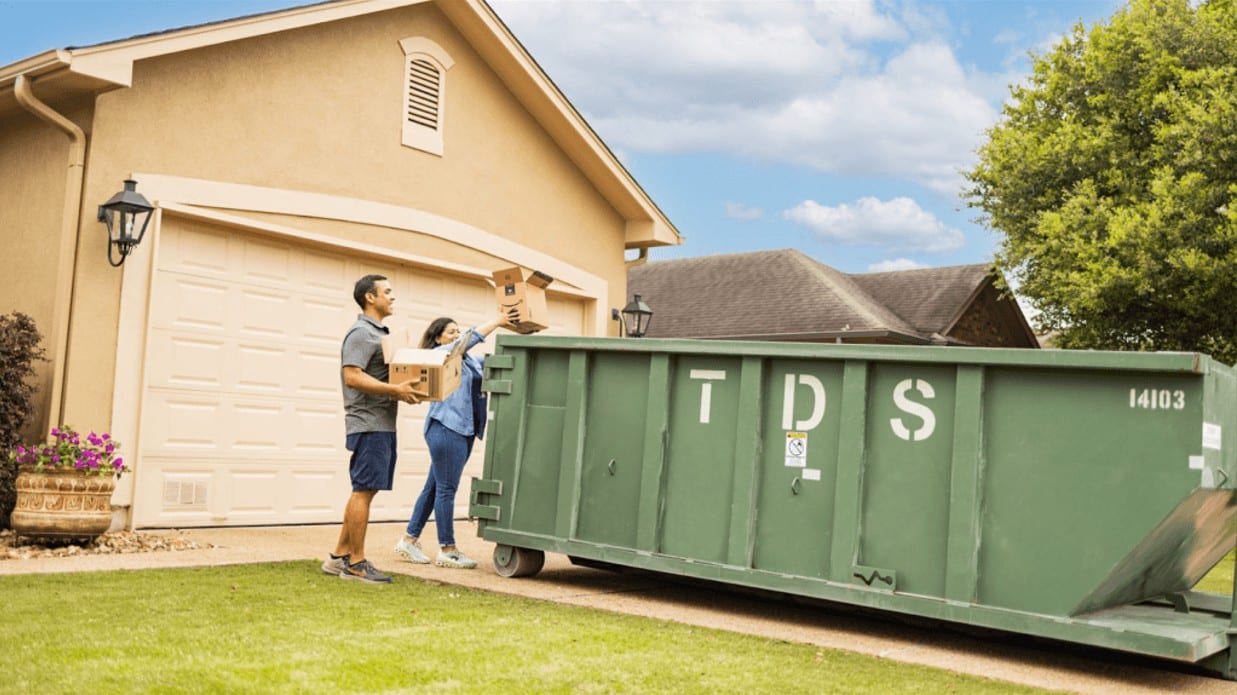
Managing waste efficiently is a challenge shared by homeowners, contractors, and property managers alike. Whether the project involves a renovation, cleanout, repair, or small construction effort, debris tends to accumulate faster than expected. Without a clear disposal plan, people often rely on repeated trips to local disposal facilities, which can quickly become time-consuming and disruptive. Roll-off dumpster rentals offer a practical alternative by consolidating waste handling into a single, coordinated solution.
By providing onsite capacity for temporary waste, roll-off dumpsters significantly reduce the need for multiple disposal trips and the inefficiencies that come with them.
The Hidden Cost of Repeated Disposal Runs
Multiple disposal trips may seem manageable at first, especially for smaller projects. However, each trip requires time for loading, travel, unloading, and return. Over the course of a project, these trips add up quickly.
Fuel costs, vehicle wear, and lost labor time all contribute to the true cost of offsite disposal. For homeowners, this often means giving up evenings or weekends. For contractors, it means pulling crews away from productive work. Roll-off dumpster rentals eliminate much of this hidden cost by allowing waste to be removed in bulk.
Centralizing Waste Collection Onsite
One of the primary advantages of roll-off dumpsters is their ability to centralize waste collection. Instead of loading debris into a truck or trailer multiple times, all waste is placed into a single container onsite.
This centralized approach simplifies cleanup routines. Debris can be disposed of as it is generated, reducing the need to stage materials temporarily or coordinate repeated hauling efforts. Centralized collection also helps maintain cleaner, more organized work areas.
Reducing Time Spent Loading and Unloading
Every disposal trip involves multiple handling steps. Debris is loaded into a vehicle, unloaded at a facility, and often handled again during sorting or disposal. This repetitive process consumes significant time, especially for bulky or heavy materials.
Roll-off dumpsters reduce handling by allowing debris to be loaded once and removed in a single haul. This efficiency is particularly valuable during demolition or cleanout phases, where large volumes of waste are generated quickly.
Supporting Continuous Workflows
Projects progress more smoothly when waste removal does not interrupt work. Repeated disposal trips create gaps in productivity, as work pauses while materials are hauled offsite.
With a roll-off dumpster onsite, cleanup becomes part of the workflow rather than a separate task. Crews or homeowners can continue working while waste accumulates in the container. Once the project phase is complete, the dumpster is removed without disrupting ongoing activities.
Managing Bulky and Heavy Materials
Certain materials are especially difficult to manage through repeated trips. Drywall, flooring, roofing materials, furniture, and demolition debris are bulky and often heavy. Transporting these items offsite multiple times increases physical strain and increases the likelihood of vehicle overloading.
Roll-off dumpsters are designed to handle these materials safely and efficiently. Their open-top design and large capacity make it easier to dispose of items that would otherwise require careful loading and multiple runs.
Improving Planning and Predictability
Repeated disposal trips often happen reactively. Waste builds up, space runs out, and a trip becomes necessary. This reactive approach can disrupt schedules and create unnecessary urgency.
Roll-off dumpster rentals support proactive planning. By estimating debris volume and scheduling container delivery in advance, waste removal becomes predictable. This predictability helps projects stay on track and reduces last-minute decisions that lead to inefficiency.
Reducing Vehicle Wear and Risk
Frequent disposal trips place additional strain on personal or work vehicles. Heavy loads accelerate wear on suspension systems, brakes, and tires. There is also increased risk of damage from sharp or abrasive materials.
Using a roll-off dumpster shifts transportation responsibility away from personal vehicles. Waste is hauled using equipment designed specifically for heavy loads, reducing risk and preserving vehicle condition.
Streamlining Disposal for Multi-Day Projects
Many projects span several days or weeks. Making disposal trips throughout the project extends cleanup tasks and spreads disruption over time.
Roll-off dumpsters streamline disposal by allowing waste to accumulate safely until removal is scheduled. This approach is especially useful for renovations and repairs that generate debris intermittently. Rather than interrupting work for multiple trips, waste is removed once the project phase is complete.
Supporting Cleaner and Safer Environments
Accumulated waste that is waiting to be hauled offsite can create clutter and safety concerns. Stacked debris, overloaded vehicles, and makeshift storage areas all increase risk.
Roll-off dumpsters contain waste in a designated area, reducing clutter and supporting safer movement around the site. Cleaner environments also make it easier to manage materials and maintain control throughout the project.
Adapting to Project Scale and Scope
Not all projects require the same level of disposal effort. Smaller cleanouts may generate waste steadily, while demolition projects produce large volumes quickly. Roll-off dumpster rentals can be scaled to match these needs.
Container size and service timing can be selected based on project scope, ensuring that waste removal supports efficiency without excess capacity. This adaptability further reduces the likelihood of needing multiple disposal trips.
Working With Project-Focused Providers
Effective reduction of disposal trips depends on reliable service and coordination. Providers experienced in temporary waste solutions understand how to align container delivery and removal with project timelines.
Many individuals and organizations rely on services such as Temporary Dumpster, whose approach is designed to support short-term projects and reduce the burden of offsite hauling. Familiarity with a range of project types helps ensure waste removal remains efficient and predictable.
Roll-off dumpster rentals reduce multiple disposal trips by centralizing waste collection, minimizing handling, and aligning removal with project needs. By eliminating repeated hauling, they save time, reduce costs, and support cleaner, more organized environments.
For anyone managing a project that generates temporary waste, roll-off dumpsters offer a practical way to streamline disposal. When waste removal is handled in bulk rather than through repeated trips, projects move forward with fewer interruptions and greater efficiency from start to finish.