
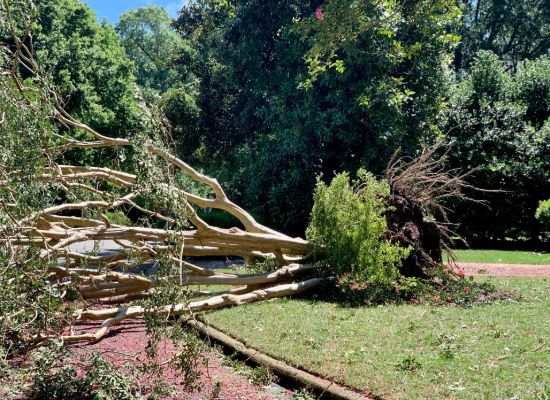
As storm season looms in Tupelo, Mississippi, ensuring the trees around your home are healthy and secure is crucial for preventing property damage and keeping your neighborhood safe. The region’s intense weather can turn a minor tree problem into a significant hazard, especially if issues go unnoticed until strong winds or torrential rain arrive. That’s why proactively identifying and addressing tree hazards now is the best way to protect your property before severe storms hit.
When it comes to safeguarding your landscape and home, timely intervention makes all the difference. Tupelo residents can rely on Garrison McKinney Tree Service, a trusted local expert known for rapid response and comprehensive solutions for dangerous trees. Their team specializes in emergency tree service in Tupelo and North Mississippi. From hazardous limb removal to urgent storm aftermath cleanups, they serve not just Tupelo but also surrounding North Mississippi communities, drawing on years of experience and a commitment to safety in each project. With a solid reputation for professionalism, this authority in local tree care offers the critical support you need when time and expertise matter most.
Common Signs of Tree Hazards
Early detection is the best way to minimize storm-related accidents. Look for these distinct indicators that your tree could be at risk:
- Trunk and limb cracks: Noticeable splits or checks in trunks or major branches often signal that a tree’s structure is compromised and more likely to fail in strong weather.
- Leaning trees: While some trees naturally lean as they grow, a sudden or worsening tilt can indicate shifting roots or weakened anchorage, putting the tree at risk of toppling.
- Dead or hanging branches: Branches without leaves during the growing season or those hanging precariously are more likely to break off during storms, posing a risk to structures and people below.
- Fungal growth at the base: Mushrooms and other visible fungi near the roots signal decay inside the tree, which can lead to unexpected collapse.
- Bark damage or disease: Peeling, missing, or discolored bark is often a sign of disease or underlying decay, weakening the tree’s defenses.
Impact of Local Weather on Trees
Tupelo’s weather is notorious for its unpredictability, adding unique challenges to tree health:
- High winds and storms: Severe thunderstorms and tornadoes frequently sweep through North Mississippi, snapping branches and uprooting unstable trees.
- Drought spells: Lengthy dry periods can sap the strength of healthy trees, leaving them more susceptible to infestation, disease, and breakage.
- Winter ice: Accumulation from freezing rain can burden limbs and branches with extra weight, increasing the risk of snapping under pressure.
Reacting to these weather extremes is critical. In Tupelo, residents who stay vigilant after each major weather event can spot new stress points, cracks, or damage early, reducing the risk of catastrophes that often accompany the next storm.
Proactive Tree Maintenance Tips
Strengthening your trees before storm season is the most effective way to avoid emergency situations. Consider these steps:
- Inspect trees regularly: Especially after storms or bouts of severe weather, walk your property and check for fresh wounds, cracks, or changes in lean.
- Prune properly: Remove dead, diseased, or weak branches to reduce wind resistance and lower the risk of storm breakage. If unsure, consult a certified arborist for complex pruning.
- Focus on soil and roots: Make sure the ground around your trees drains well so roots do not become waterlogged, which encourages rot and instability. Adding compost can improve soil structure for root health.
- Apply mulch carefully: A 2- to 3-inch layer of organic mulch helps regulate soil temperature and moisture below, supporting strong root systems. Remember not to pile mulch against the trunk to avoid decay.
When to Consult a Professional
If you observe major issues such as extensive trunk splits, several large dead branches, or sudden significant leaning, it is wise to contact an expert. Certified arborists have the training and equipment necessary to accurately evaluate tree risks, recommend safe removal or trimming, and prevent injuries. Professional help becomes especially important when dealing with trees near homes, power lines, or public spaces.
Local Resources for Tree Care
Living in Tupelo or the surrounding areas means having access to specialists equipped for North Mississippi’s specific tree challenges. Professional tree care providers understand local weather and landscape conditions, offering services ranging from preventive pruning to emergency limb removal. For storm-related emergencies and complex projects, relying on experienced teams keeps both trees and properties safe.
Frequently Asked Questions
How can I tell if my tree is unsafe?
Common red flags include thinning foliage, visible trunk or branch cracks, fungal growth, a drastic change in lean, or early leaf drop. These symptoms suggest underlying stress or disease in the tree and should be addressed quickly.
When is it best to prune trees?
Late fall and winter are typically the best times, as most trees are dormant and the cuts will heal ahead of the active growing period. For routine maintenance or minor shaping, early spring is also suitable, provided it does not interfere with wildlife nesting or sap flow in sensitive species.
What is an effective year-round tree care plan?
Incorporate regular inspections each season, prune during dormancy to avoid disease, water deeply during dry periods (especially for new plantings), use mulch carefully, and keep an eye out for signs of stress or damage. Adjust your approach based on weather patterns and the specific needs of each tree variety in your landscape.
Does every tree need fertilization?
Many trees thrive without extra fertilizer if growing in healthy native soil. Only apply nutrients if a soil analysis indicates a deficiency or if the tree shows signs of poor health not related to pests or physical damage. When in doubt, consult with an arborist to tailor a balanced feeding plan.
Should I water my trees in winter?
Winter watering is beneficial during mild, dry spells when the ground is not frozen. Focus on young or evergreen trees prone to winter drought stress, providing a deep soak every few weeks if there is no rain or snow cover.
Does mulching provide real benefits?
Absolutely. Mulching helps roots by conserving moisture, moderating soil temperature, and preventing compaction or mechanical injury. Apply mulch in a wide ring, but avoid touching the trunk directly. For more guidance, refer to this comprehensive mulching guide from the Arbor Day Foundation.
Conclusion
Regularly checking your property’s trees, understanding the local weather’s effects, and enlisting professional help when needed are key strategies for storm-season readiness in Tupelo. With preventative care and expert intervention, you can protect your property and provide a safer environment for your community, even when the weather is at its worst.