


In the battle of Kippers vs. Sardines, these two fish offer not only distinct flavors but also unique health benefits. Understanding their differences can elevate your culinary game and inform your dietary choices.
This article will explore the nuances of each, helping you determine which one to indulge in next.
Understanding Kippers and Sardines
Fish lovers often compare kippers vs. sardines when looking for a healthy seafood option. These two oily fish are enjoyed worldwide and offer unique flavors, textures, and nutritional benefits. Kippers, also known as smoked herring, are a staple in British breakfast culture.
They are made by curing and smoking herring, which gives them a rich, smoky taste. Traditionally, they are served with eggs, toast, or even butter for a flavorful morning meal.
They are widely appreciated for their convenience and mild, briny taste. Unlike kippered fish, sardines do not require additional cooking, making them an easy and nutritious addition to any diet.
Both protein-rich fish offer essential health benefits, making them excellent choices for those who want to enjoy nutritious seafood without sacrificing taste.
Kippers vs. Sardines Health Benefits
Both kippers vs. sardines provide impressive nutritional value, particularly when it comes to omega-3 fatty acids, which are essential for heart health benefits and reducing inflammation.
Kippers Health Benefits
Sardines are known as calcium-rich fish, making them an excellent choice for maintaining strong bones.
- Calories: 191 per 3.75-ounce serving
- Protein: 22.6 grams
- Omega-3 fatty acids: 1.5 grams
- Calcium: 351 milligrams
- Vitamin D: 193 IU
- Vitamin B12: 8.9 micrograms
Sardines Health Benefits
Another key benefit of both fish is that they are a vitamin D source, which is vital for bone health, immune support, and overall well-being.
- Calories: 217 per 3.5-ounce serving
- Protein: 24.4 grams
- Omega-3 fatty acids: 2.3 grams
- Calcium: 180 milligrams
- Vitamin D: 480 IU
- Vitamin B12: 9.5 micrograms
People who do not get enough sun exposure can incorporate sardines or kippers into their diet as a sunlight vitamin alternative. Their anti-inflammatory properties also make them a great addition to a heart-healthy diet.
Kippers vs. Sardines: Size
While both fish are small and similar in shape, sardines tend to be slightly shorter but heavier, giving them a more robust appearance compared to their kippered counterparts.
- Kippers: Weigh around 0.5 pounds and measure about 14 inches long, though they can reach up to 2.2 pounds and 23.6 inches.
- Sardines: Range from 0.2 to 4.5 pounds, averaging 10–14 inches in length, with a maximum of 15.6 inches.
Despite their size differences, both kippers and sardines share a similar body structure, often making it difficult to tell them apart at a glance.
Taste and Flavor
When it comes to taste, kippers vs. sardines offer distinct flavor profiles that appeal to different palates.
kippers: Smoked fish like this have a robust, smoky, and slightly salty flavor due to the curing and smoking process. They pair well with buttery dishes and breakfast sides, creating a traditional breakfast that has been enjoyed for generations in UK cuisine.
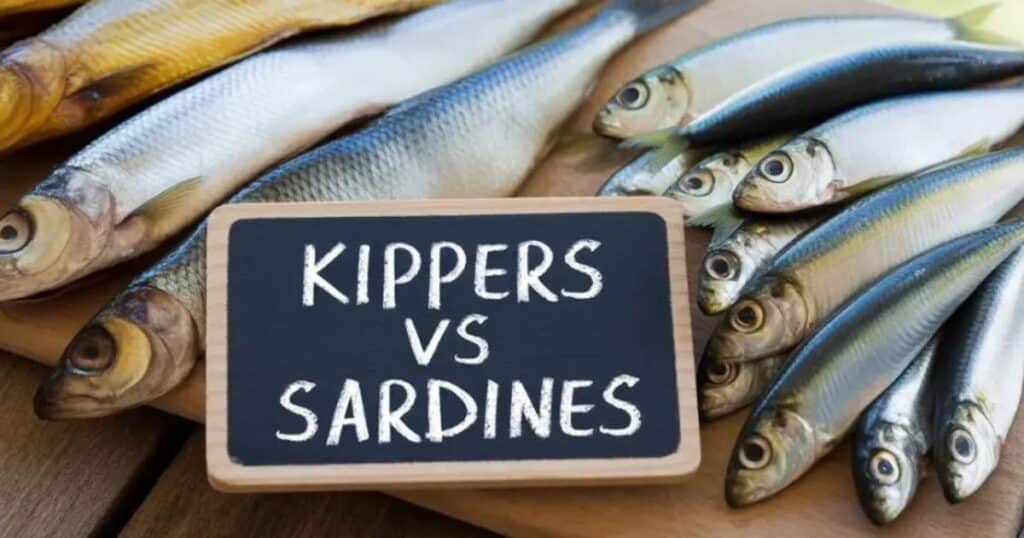
Sardines: they have a milder, briny taste that varies depending on how they are packed. Canned fish in olive oil absorbs the richness of the oil, while sardines in tomato sauce take on a tangy, slightly sweet flavor. This versatility makes sardines a great addition to various seafood dishes, including salads, pasta, and sandwiches.
Geographic and Origin Differences
The origins of kippers vs. sardines highlight their cultural significance in different parts of the world.
Kippers: Are deeply rooted in European cuisine, particularly in the UK, where they are commonly associated with English food traditions. Their smoked herring preparation dates back centuries, making them an iconic part of coastal food culture.
Sardines: In contrast, are widely consumed across the Mediterranean and Atlantic regions. Their popularity in Mediterranean cuisine is due to their availability, affordability, and nutritional value.
Unlocking the Nutritional Secrets of Sardines
Sardines are one of the most nutrient-dense fish available. A 100g serving of canned sardines provides:
| Nutrient | Amount per 100g |
|---|---|
| Protein | 25g |
| Calcium | 382mg |
| Omega-3 | 1.5g |
| Vitamin D | 193 IU |
These figures highlight why sardines are considered a nutritious seafood choice for people looking to boost their health.
READ MORE: Sprats vs Sardines – Which One Should You Choose?
Sardines: The Ultimate Nutrient Champions
Compared to kippered fish, sardines stand out as one of the best high-protein seafood options. They are perfect for those looking for muscle-building fish, as they provide lean protein without excessive fat.
Additionally, their essential nutrients contribute to immune support, brain function, and overall wellness.
Comparing Mercury Levels and Environmental Sustainability
When comparing kippers vs. sardines, mercury levels and sustainability are important factors to consider.
Sardines: Sardines have low mercury content, making them one of the safest fish to consume regularly. Their short lifespan and rapid reproduction rate also make them one of the most environmentally sustainable oily fish choices.
Kippered fish: On the other hand, Kippered comes from herring, which can be subject to overfishing in certain regions. While kippers are still a good source of nutritious seafood, sustainability-conscious consumers may prefer sardines as a more eco-friendly option.
Choosing Between Kippers vs. Sardines: A Nutritional Guide
Choosing between kippers vs. sardines depends on dietary needs and taste preferences.
Sardines: are better for those looking to boost bone health due to their high calcium levels. They are also ideal for individuals following a balanced diet with a focus on healthy fats and essential vitamins.
Kippers: also rich in nutrients, are particularly beneficial for those looking for a stronger fish oil source. They complement traditional morning meals and add variety to a gourmet seafood diet.
Conclusion
Choosing between kippers vs sardines comes down to individual taste and dietary goals. Kippers deliver a rich, hearty flavor that can elevate any dish, while sardines provide a nutritious and quick meal option.
Explore the variety of recipes available for each to discover your favorite. Don’t hesitate to experiment and find out which one you prefer!
FAQs
Both are highly nutritious, but sardines are generally considered healthier.
No, they have distinct flavors. Sardines have a mild, briny taste, while kippers have a stronger, smoky, and slightly salty flavor.
Kippers have a rich, smoky, and salty taste due to the curing and smoking process.
