
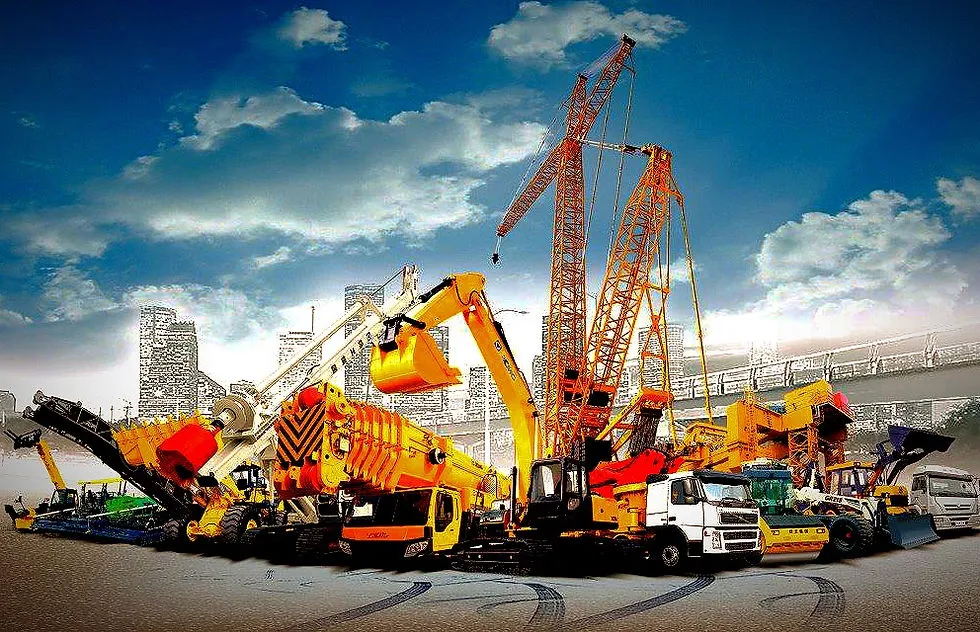
Texas is one of the largest and most diverse construction markets in North America. From highway expansion projects around Dallas-Fort Worth to petrochemical facilities along the Gulf Coast, renewable energy developments in West Texas, and residential growth in Austin and San Antonio, construction equipment operates under vastly different conditions depending on where it is used. That is why hiring a Texas Construction Equipment Appraiser involves far more than assigning a value from a pricing guide.
Professional equipment appraisals consider how regional demand, maintenance practices, utilization, and local market conditions influence value. Two machines of the same make, model, and year can have substantially different market values despite appearing identical on paper.
Texas Is Really Several Equipment Markets
One of the biggest misconceptions about equipment valuation is that Texas represents a single marketplace. In reality, it consists of multiple regional economies.
For example:
- Houston and Beaumont often see equipment supporting petrochemical and industrial construction.
- Dallas-Fort Worth experiences continuous commercial and infrastructure development.
- Austin has strong demand driven by technology, manufacturing, and residential expansion.
- San Antonio combines municipal, military, and commercial construction activity.
- West Texas supports energy production, pipeline construction, and utility infrastructure.
Each region creates its own supply-and-demand dynamics. Equipment that commands premium pricing in one market may experience lower demand elsewhere.
A knowledgeable Texas Construction Equipment Appraiser understands these regional differences and incorporates them into the valuation process.
Utilization Often Tells a Bigger Story Than Age
Construction equipment in Texas frequently accumulates significantly more operating hours than comparable equipment in northern states.
Texas contractors often work year-round due to the relatively mild climate. Instead of seasonal shutdowns lasting several months, many machines remain productive nearly every week of the year.
This means a five-year-old excavator in Texas may have considerably more operating hours than a similar machine located in Minnesota or Michigan.
An experienced appraiser evaluates:
- Engine hours
- Undercarriage wear
- Hydraulic condition
- Maintenance history
- Component replacements
- Overall remaining useful life
These factors frequently have a greater influence on value than the model year alone.
Heat and Dust Leave Their Own Signature
Texas presents operating environments that accelerate wear differently from those in colder climates.
Machines working in Central and West Texas often encounter:
- Fine abrasive dust
- Caliche soils
- Extended high-temperature operation
- Continuous sun exposure
- Long transport distances between projects
These environmental conditions affect hoses, seals, cooling systems, electrical components, paint, interiors, and hydraulic systems.
A professional inspection identifies how these operating conditions have impacted the equipment rather than assuming all machines of similar age experience identical depreciation.
Specialized Equipment Can Be More Difficult to Value
Texas construction projects frequently utilize equipment beyond traditional excavators and loaders.
Assignments often include:
- Motor graders
- Scrapers
- Asphalt paving equipment
- Milling machines
- Concrete batch plants
- Rock crushers
- Aggregate screening plants
- Crane fleets
- Pipeline equipment
- Directional drilling equipment
- Earthmoving fleets
- Compactors
Many of these assets have relatively thin resale markets.
Rather than relying solely on automated pricing services, an experienced Texas Construction Equipment Appraiser researches actual market participants, recent transactions, dealer inventories, and comparable equipment to develop a supported opinion of value.
Lenders Need More Than Book Values
When equipment secures a commercial loan, lenders require valuation opinions they can defend.
A professional appraisal provides:
- Clearly identified equipment
- Verified equipment descriptions
- Market-supported comparable data
- Appropriate valuation methodology
- Defined value premise
- Documented assumptions
- USPAP-compliant reporting
This level of documentation helps financial institutions make informed lending decisions while reducing uncertainty.
Case Example: The Growing Highway Contractor
A regional highway contractor in North Texas sought financing to expand operations after winning several large infrastructure projects.
The collateral package included:
- Hydraulic excavators
- Bulldozers
- Wheel loaders
- Motor graders
- Compact track loaders
- Vibratory rollers
- Service trucks
- Equipment trailers
The lender initially reviewed the contractor’s internal equipment schedule, which contained purchase prices and depreciation figures.
After an independent appraisal was completed, several important findings emerged.
A number of machines had undergone major component rebuilds that extended their economic life beyond what accounting records suggested. Conversely, several heavily utilized units had accumulated substantially higher operating hours than comparable equipment typically found on the market.
The appraisal also identified specialized attachments that were not separately recognized on the accounting records but contributed measurable value to the collateral package.
The independent appraisal provided the lender with a more accurate understanding of the collateral supporting the loan, allowing financing decisions to be based on current market conditions rather than historical accounting information.
Every Assignment Has a Different Intended Use
Not every appraisal serves the same purpose.
Construction equipment appraisals are frequently prepared for:
- Commercial lending
- SBA financing
- Equipment refinancing
- Buy-sell transactions
- Partnership disputes
- Estate administration
- Divorce proceedings
- Financial reporting
- Insurance matters
- Bankruptcy proceedings
- Litigation support
- Asset acquisitions
Each assignment requires the appropriate standard of value, effective date, and scope of work.
Using an appraisal prepared for one purpose may not be appropriate for another.
Why Independence Matters
Owners naturally understand their equipment better than anyone else.
However, lenders, attorneys, accountants, and courts often require an independent third-party opinion that is objective and well documented.
An experienced Texas Construction Equipment Appraiser provides an unbiased analysis supported by market research, physical inspection when appropriate, and recognized appraisal methodology rather than relying solely on internal estimates or automated pricing tools.
Experience Across Texas Makes a Difference
Texas is simply too diverse for a one-size-fits-all approach to equipment valuation. Market conditions in Houston differ from those in Amarillo. Equipment supporting oilfield infrastructure faces different demand than machinery working on suburban housing developments outside Austin.
Understanding these differences is essential when developing credible opinions of value.
Whether the assignment involves a single excavator, an entire contractor’s fleet, or hundreds of pieces of heavy equipment, an independent appraisal provides the market-supported documentation lenders, attorneys, accountants, and business owners rely upon when significant financial decisions are at stake.
If your business, financial institution, or legal team requires a Texas Construction Equipment Appraiser, Truman Mox provides USPAP-compliant appraisals of machinery and equipment throughout Texas. Our team regularly appraises constfruction fleets, ranging from individual machines to large, multi-location operations, delivering independent, well-supported valuation reports that withstand lender, accounting, and legal scrutiny.