
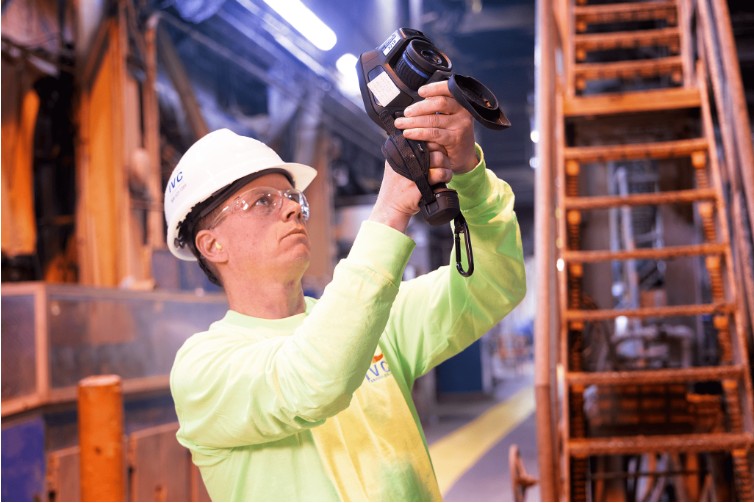
There are many cases where problems in electrical, mechanical, and structural systems do not become evident until they have become costly failures. Regular inspections using conventional methods miss some defects since damage begins under the surface of an object or in equipment that is fully covered. Thermal imaging is one way to detect temperature changes indicating something wrong in the system before any visible symptoms are observed. This tool allows obtaining useful information about equipment functioning, structural state, and energy consumption without stopping the process of work. Knowing what thermal imaging can show will allow making the right decision and avoiding unexpected interruptions. Here are examples of such situations.
Detecting Electrical Problems Before They Escalate
Heat is always generated when electricity passes through conductors or components. Although some level of heating is natural, it should be noted that unusual overheating is indicative of problems forming. There is likely to be local overheating due to loose contacts, overloading of the circuit, aging insulation, or malfunctioning breakers, which will not be revealed with conventional inspection methods. Using infrared testing enables technicians to detect these differences in temperature without shutting down the equipment in question, and under normal loading conditions. This way, there is no need for additional disruptions while getting accurate data about the operation of the system.
Identifying Early Signs of System Failure
There is usually a presence of minor temperature variations in the initial stage of damage for most mechanical and electrical systems. The heat signatures generated by systems such as bearings without adequate lubrication, motors with excess friction, heating and cooling system parts under stress, and inefficiently functioning pumps are usually different from the temperatures generated by sound systems. Organizations that invest in dependable infrared thermography services gain detailed thermal assessments that support predictive maintenance programs and improve equipment reliability. Addressing developing problems during this early stage reduces repair expenses, extends equipment life, and helps prevent emergency shutdowns that interrupt business operations.
Revealing Hidden Moisture and Building Deficiencies
In most cases, moisture penetration occurs within walls, ceilings, roofs, and insulation without giving any visible signs. The effect of water on the building components causes changes in surface temperature, which are captured by thermal cameras. Thermal imagery enables building inspectors to identify moisture problems, missing insulation, air infiltration, and inconsistencies within the structure without performing destructive work. Early detection of such hidden problems ensures rapid repair and saves people from health risks associated with the development of mold, deterioration of building components, and reduced indoor comfort. Moreover, building owners will also enjoy enhanced efficiency of their structures since thermal scanning detects those parts where conditioned air is lost due to poor insulation or structural damage.
Supporting Preventive Maintenance and Operational Efficiency
Maintenance work becomes much more efficient and useful in the presence of accurate thermal information. It is possible to perform evaluation of equipment not on the basis of predetermined maintenance procedures but on the basis of current operations. Thermal scans help discover those parts of equipment that accumulate excess heat, thus making it possible to direct maintenance efforts where they can be most effective. Not only will such an approach save money and time wasted on unnecessary maintenance procedures, but it will also ensure that any problems that are developing get addressed immediately. Such benefits are enjoyed in manufacturing facilities, commercial establishments, healthcare facilities, and industrial plants.
Improving Safety Through Early Hazard Detection
The issue of safety is one of the greatest benefits of infrared scanning since dangerous conditions usually produce unusual heat before an accident happens. Electrical failures, overloading of machines, overheated mechanical components, and damaged insulating material can cause very dangerous conditions when they are not detected in time. Thanks to thermal imaging technology, it becomes possible for technicians to detect such problems without being in any danger because they can observe the situation from a safe distance without touching the live systems or working machinery. Infrared scanning increases the safety levels in the workplace by avoiding fires, malfunctions, and injuries.
The application of infrared scanning technology helps reveal information that would otherwise not be uncovered by regular inspections. Whether detecting electrical problems, hidden moisture, or early signs of equipment breakdown, the use of infrared scanning assists in making well-informed decisions on maintenance matters for a number of different industries. Being able to see the potential trouble spots early enough enables one to secure their assets, increase efficiency, and avoid surprises.