Resignate or Resonate: Which Is Correct and Why?

is it resignate or resonate

People often wonder whether to use resignate or resonate when expressing that something deeply “connects” or “echoes.” In fact, resonate is the correct term in virtually all modern English usage. Though you may sometimes see resignate mistakenly or as a type it doesn’t carry the meaning authors, speakers, and writers intend. In this post, we’ll explore resignate vs resonate, dig into … Read more
STSU Meaning in Text: Ultimate Guide to This Popular Acronym

STSU Meaning in Text

STSU meaning in text: In the fast-paced world of online chatting, abbreviations like STSU pop up everywhere. If you’ve been scrolling through Instagram, WhatsApp, TikTok, or Snapchat and stumbled on “STSU,” you might have paused and wondered: what does STSU mean in text? This acronym isn’t just a random jumble of letters it carries context, tone, … Read more

Impatient vs Inpatient: Understanding the Real Difference in English

Impatient vs Inpatient

Ever stumbled on impatient vs inpatient and wondered which one fits your sentence? You’re not alone. These two words sound similar, but they carry completely different meanings. One deals with emotions and behavior, while the other belongs to the world of hospitals and healthcare. Mixing them up can lead to confusing or even embarrassing mistakes, especially in professional or … Read more

Herd vs Hurd – Meaning, Spelling, and Correct Usage Explained

Herd vs Hurd

When it comes to English spelling, few things cause more language confusion than sound-alike words. The words herd and hurd are perfect examples. They sound identical but carry very different implications. In fact, only one is correct in English grammar, while the other usually appears as a misspelling or in brand names.herd vs hurd  This article unpacks the difference between herd vs hurd, explores why so many spelling … Read more

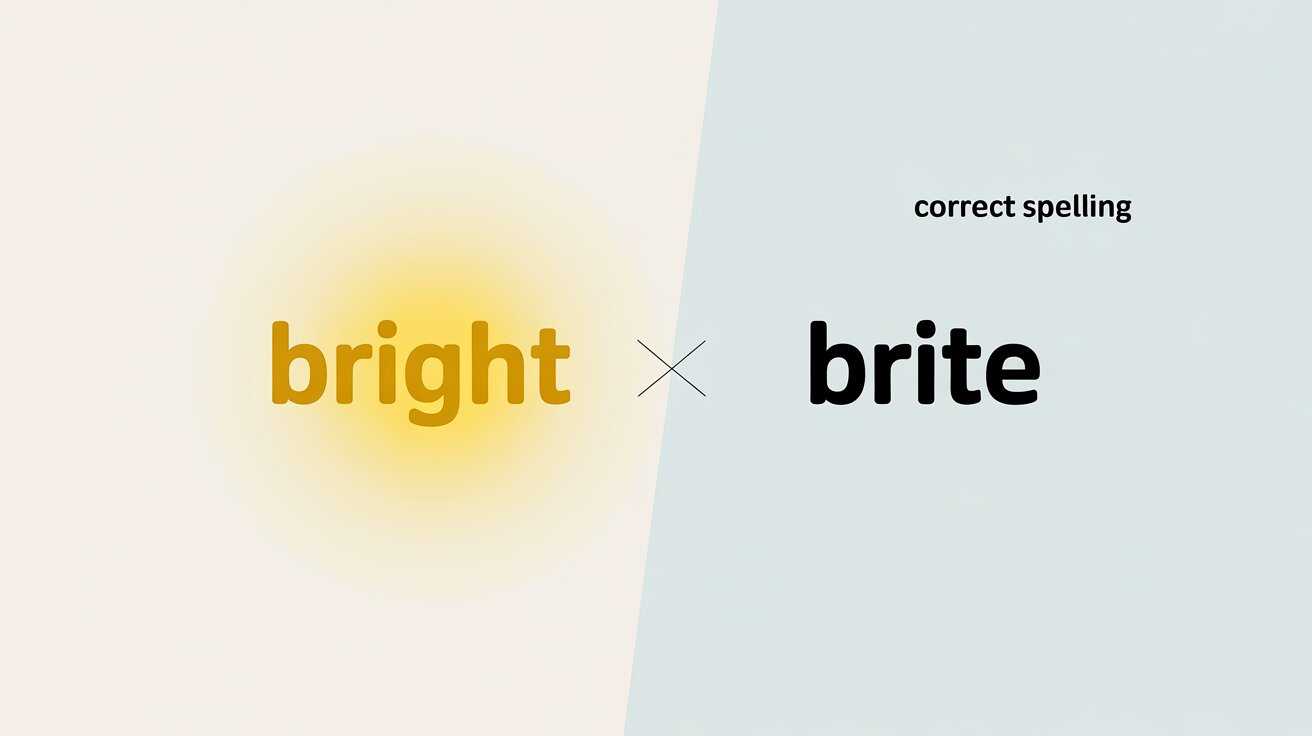
Bright vs Brite – Meaning, Usage & Correct Spelling Explained

Bright vs Brite

If you’ve ever scratched your head over brite vs bright, you’re not alone. These two words often spark confusion because they share identical sounds but don’t hold the same weight in the English language. One is rooted in history, recognized in the dictionary, and seen in formal writing, while the other often pops up in advertising or playful spaces. But which … Read more

Is It Too Cute Or To Cute? Get It Right Now! 2025

Is It Too Cute Or To Cute? Get It Right Now! 2025

Have you ever typed a phrase and wondered if it looked right? One of the most common mistakes in English is mixing up “too cute” and “to cute.” You’ve probably seen both on social media or in text messages, but only one is the correct phrase. The other is a simple yet frequent grammar mistake. When it comes to mastering English, these small differences matter. If … Read more

58+ Roasts That Hurt And Rhyme: Guide to Savage Burns!

58+ Roasts That Hurt And Rhyme: Guide to Savage Burns!

If you’ve ever wanted to throw down with roasts that hurt and rhyme, you’ve landed in the right place. From savage burns at the workplace to witty quips in rap battles, rhyming comebacks are the ultimate mix of rhythm and sting. People love them because they don’t just deliver the insult they entertain while cutting deep. Whether you’re looking … Read more

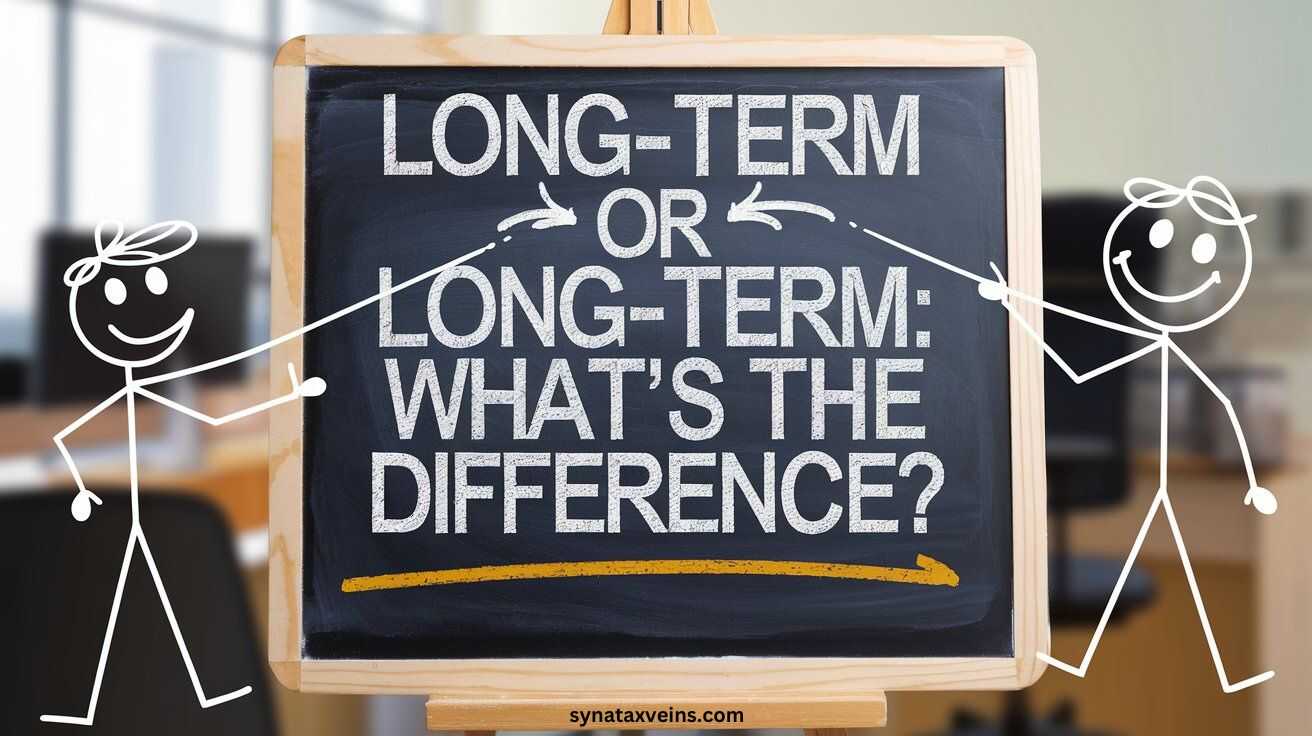
Longterm or Long-term: What’s the Difference?

Understanding the correct usage of longterm or long-term is essential for clear communication. Many people confuse these terms, but knowing when to use them can improve writing clarity and sentence structure. This guide will explain the meaning, usage, and differences between long term, long-term, and the incorrect form LongTerm. We’ll also explore common mistakes, grammar rules, and best practices for future planning in both professional and casual writing. … Read more