

A diamond ring does not enter the resale market as a neutral object. It carries a design language from the time it was made, the taste of the person who chose it, and the craftsmanship decisions that shaped how the stone appears. Even when the diamond itself remains beautiful, the ring’s design history can quietly influence how buyers respond to it.
This is why two rings with similar diamonds may not create the same market interest. One may feel timeless, balanced, and easy to imagine on a new owner’s hand. Another may feel tied to a specific fashion period, making it more selective in resale. For people considering selling a diamond ring, understanding design history can help explain why market appeal is not only about carat size or sparkle.
Design Periods Shape First Impressions
Every ring reflects the design preferences of its time. Some rings are built with clean lines, restrained proportions, and classic settings that remain attractive across decades. Others carry more visible signs of a particular era, such as heavy metalwork, ornate detailing, or highly specific silhouettes.
Neither type is automatically good or bad. A distinctive period design may have strong appeal to the right buyer. However, broader resale demand often favors designs that feel adaptable. A ring that looks elegant in many contexts is usually easier to place than one that speaks to a narrower taste.
This is where design history becomes important. Buyers do not only ask whether the diamond is valuable. They ask whether the ring, as a finished piece, can still connect with the market today.
Timelessness Can Support Resale Confidence
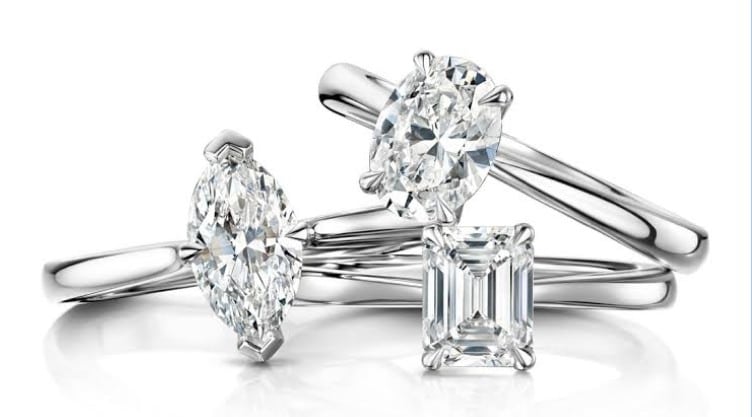
A timeless design often helps a diamond ring feel more marketable. Solitaire settings, refined halos, balanced three-stone rings, and clean pavé details can continue to appeal because they do not depend too heavily on passing trends. These designs allow the diamond to remain the focus while giving the ring a sense of ease.
When a ring feels timeless, buyers can imagine it being worn again without major redesign. That imagination matters in resale. It reduces friction and makes the piece feel more immediately usable.
For sellers, this is one reason a ring’s visual style should be considered alongside the stone itself. A strong diamond in a graceful setting may carry stronger market appeal than a similar diamond in a design that feels difficult to adapt.
When Distinctive Design Becomes a Selective Advantage
Not every ring needs to be classic to have resale value. Some rings become appealing precisely because they are unusual, expressive, or connected to a recognizable design period. Vintage-inspired settings, architectural lines, and handcrafted details may attract buyers looking for character rather than simplicity.
The challenge is that distinctive designs often require more selective matching. They may not appeal to everyone, but they can feel highly desirable to the right audience. This means resale value may depend on how well the ring’s design identity is understood and explained.
A knowledgeable fine diamond ring buyer can recognize when a ring’s design history supports its appeal and when it may limit the audience. This kind of judgment is important because a ring should not be valued only as raw material if its design still has meaningful market strength.
Craftsmanship Connects Past Design With Present Value
Design history is not only about style. It is also about craftsmanship. A ring from an earlier period may show hand-finished details, careful metalwork, or construction techniques that add character. At the same time, age can bring wear, thinning prongs, or structural weakness that affects confidence in the piece.
Buyers notice how well the ring has survived. If the craftsmanship remains strong and the piece feels secure, its design history can become part of its charm. If the ring needs repair, restoration, or resetting, those practical considerations may influence the offer.
This is why condition matters so much. A beautifully designed ring with excellent craftsmanship can maintain appeal long after its original purchase. A similar ring in poor condition may be judged differently, even if the design itself is attractive.
Conclusion
The market appeal of a diamond ring is shaped not only by the diamond, but by the design history surrounding it. Style, period influence, craftsmanship, condition, and current buyer preferences all affect how the ring is understood in resale. Some designs create broad appeal because they feel timeless. Others attract interest because they carry character and individuality.
For sellers, the important lesson is that a diamond ring should be evaluated as a complete piece. Its value is not found only in the stone, nor only in the metal. It lives in the relationship between the diamond and the design that presents it.
When design history is properly understood, the resale process becomes clearer. Sellers can see why certain rings move easily in the market, why others require a more specific buyer, and how craftsmanship can preserve value across time. A thoughtful evaluation helps reveal not only what the ring is made of, but how its story, style, and structure continue to shape its worth today.
